


|
Research: Benefit of Ribose in a Patient With
Fibromyalgia

01-31-2005 Journal: Pharmacotherapy Posted on MedScape 01/07/2005 Benjamin Gebhart, Pharm.D.; James A. Jorgenson, M.S., FASHP
Abstract and Introduction
Abstract
Ribose was added to the existing treatment regimen of a woman with
fibromyalgia, resulting in a decrease in symptoms. It has been
postulated that patients with fibromyalgia may have an alteration in
muscle adenine nucleotide metabolism, leading to depleted energy
reserves and an imbalance in cellular adenosine-triphosphate:adenosine
5'-diphosphate:adenosine 5'-monophosphate (ATP:ADP:AMP) ratios with an
abnormal energy charge. As a key component in adenine nucleotide
synthesis, ribose supplementation may be useful in such patients.
Introduction
Fibromyalgia is a syndrome that is manifested by generalized muscle pain
and additional systemic symptoms of fatigue, tenderness and stiffness in
multiple joints, sleep disturbance, and alterations in bowel activity.
The specific etiology is unknown; however, changes in muscle histology,
energy metabolism, oxygen utilization, and the neuroendocrine
stress-response system have been postulated to play a role in the
development and persistence of this disorder.[1] Low levels of muscle
adenine nucleotides, reflected in depleted energy reserves and an
imbalance in cellular adenosine 5'-triphosphate:adenosine
5'-diphosphate:adenosine 5'-monophosphate (ATP:ADP:AMP) ratios with an
abnormal energy charge, have been reported.[2-4] The unknown cause and
varying presenting symptoms make fibromyalgia a therapeutic challenge
for practitioners.[5-7]
The management of patients with fibromyalgia requires the integration of
both pharmacologic and nonpharmacologic approaches. Pharmacologic
options have included tricyclic antidepressants, selective serotonin
receptor antagonists, analgesics, benzodiazepines, antiinflammatory
agents, and corticosteroids.[5, 6, 8]
Routine daily exercise programs, dietary modifications, alternative
therapies such as biofeedback and hypnotherapy, and nutraceuticals such
as S-adenosyl-L-methionine (SAMe) have also been explored.[9]
Unfortunately, less than 50% of patients achieve any meaningful relief
of their symptoms with use of those therapies.[5]
We describe the case of a patient with fibromyalgia who had symptomatic
relief when ribose was added to her existing treatment regimen. There
have been anecdotal reports on the benefits of ribose in patients with
fibromyalgia in whom conventional therapies have failed; however, to our
knowledge, this is the first published case of use of ribose for this
syndrome.
Case Report
A 37-year-old woman had daily episodes of intense musculoskeletal pain
and stiffness, mental "cloudiness," bouts of diarrhea, and sleep
disturbance. As she was a surgeon, these symptoms compromised the skills
necessary to perform her daily duties in the operating room. She was
diagnosed with fibromyalgia by exclusion of other diseases and syndromes
and in accordance with the American College of Rheumatology
criteria.[10]
The patient was treated with ibuprofen 800 mg twice/day, valdecoxib 10
mg once/day, diphenhydramine 50 mg-acetaminophen 1000 mg at bedtime, and
physical therapy once/day. She stated that this therapeutic regimen had
limited benefit and that the adverse effects from these drugs further
impaired her ability to perform her operative duties.
Approximately 7 months later, in addition to her regular drug therapy,
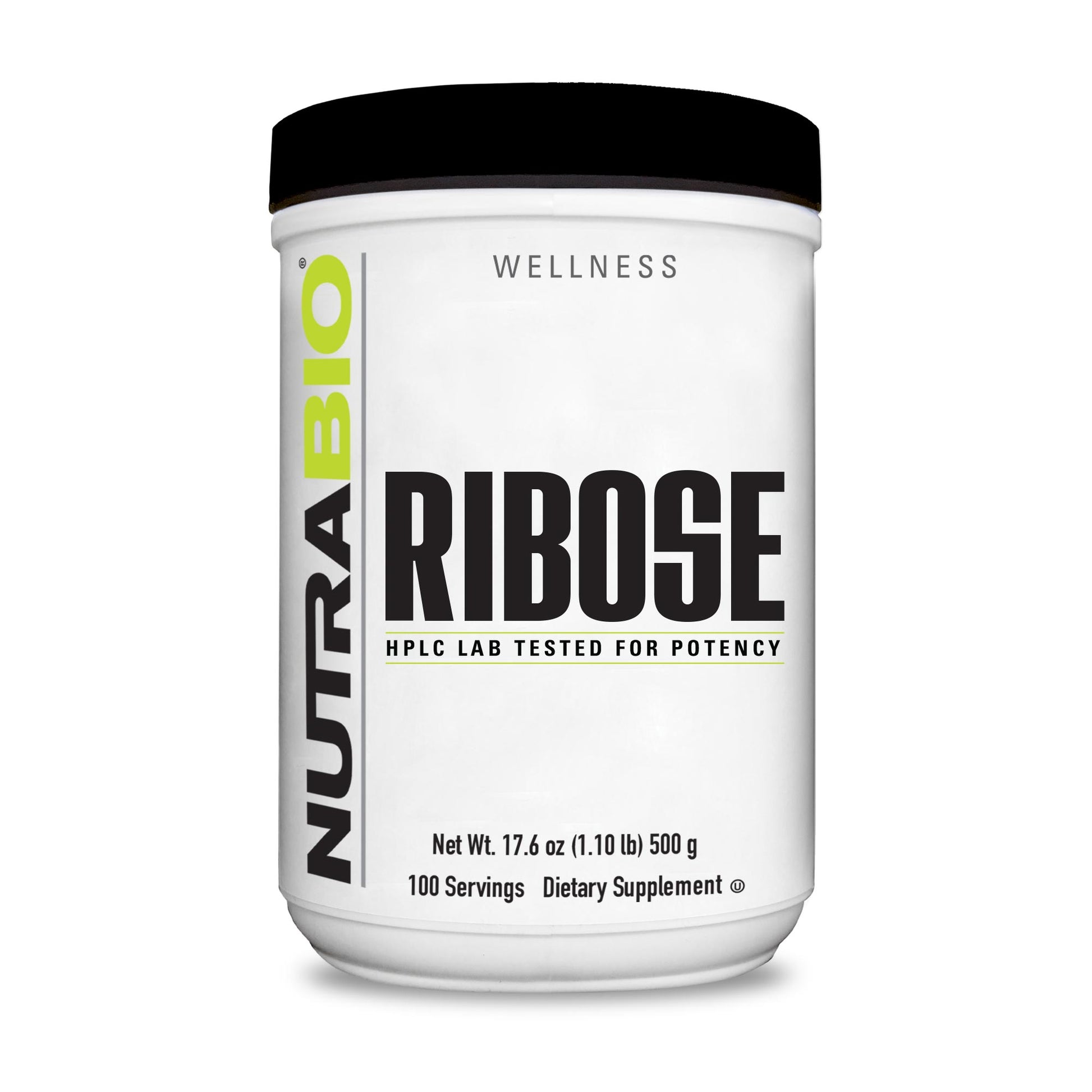
the patient began taking CORvalen (Bioenergy Ribose by Bioenergy, Inc., Ham Lake, MN), a
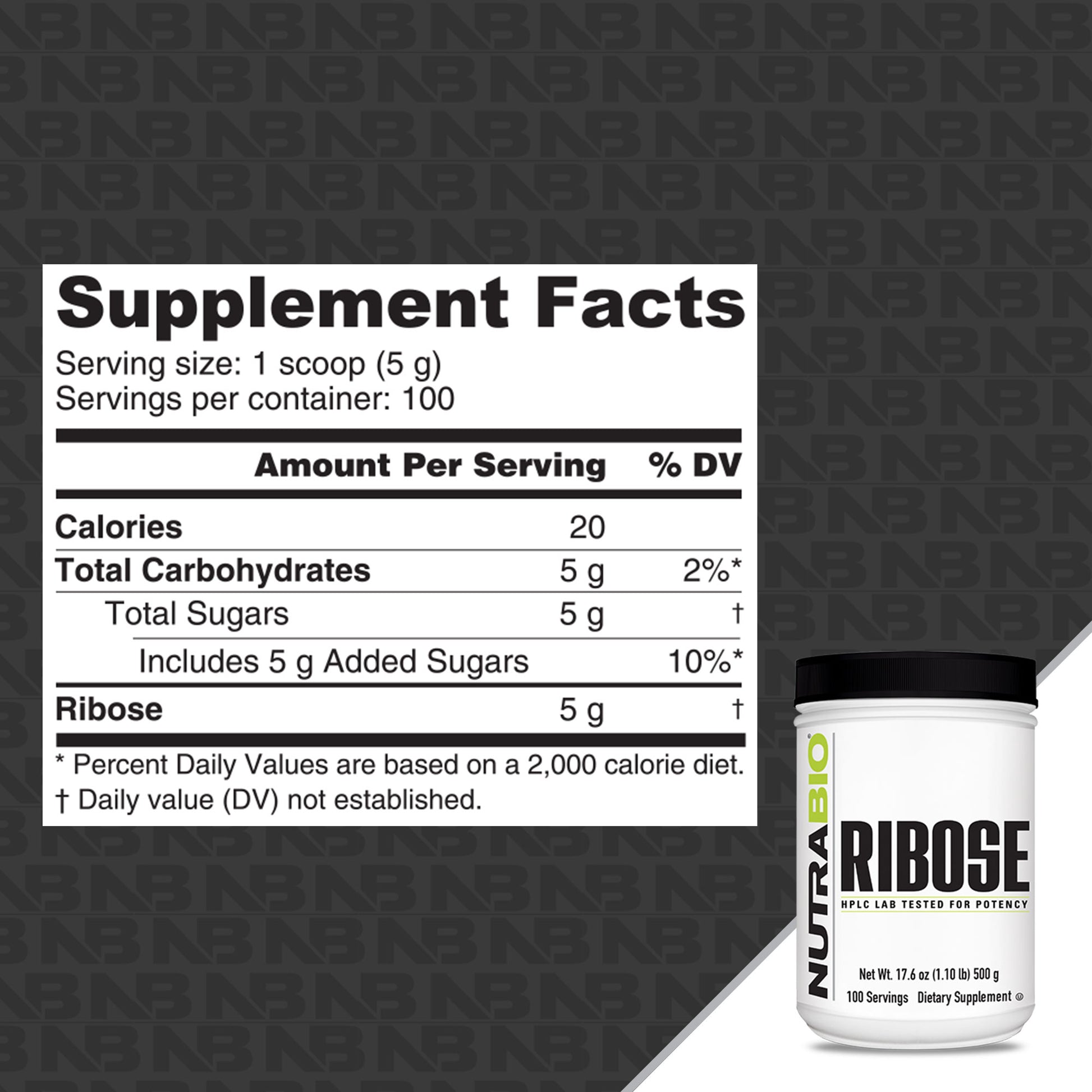
ribose-based product. She took 5 g of CORvalen (Bioenergy Ribose) mixed in water twice/day.
She experienced no adverse effects, and after 14 days she reported a
decrease in her symptoms. Specifically, she noted an improvement in
sleep, mental alertness, a marked decrease in joint pain, and normal
stools. This trend continued, and after an additional month of CORvalen
(Bioenergy Ribose)
therapy she reported near-normal functioning with a major reduction in
her symptoms.
After another month of taking CORvalen (Bioenergy
Ribose) and feeling "normal," the patient
elected to discontinue the drug. Within 7 days, she regressed to her
initial fibromyalgia state, as reflected in joint pain, sleep
disturbance, morning stiffness, trigger-point flares, and diarrhea. She
resumed taking CORvalen, (Bioenergy Ribose) at the same dosage as before, and a major
reduction in her symptoms again occurred within 14 days. She noted
continual benefit for the next month while taking CORvalen (Bioenergy
Ribose) . She stopped
taking the drug for a second time after this additional 30-day period,
and once again she experienced a reemergence of symptoms. When CORvalen
(Bioenergy Ribose)
was restarted for a third time, the patient's symptoms again subsided.
At the time of this writing, the patient was continuing to take CORvalen
(Bioenergy Ribose)
and was satisfied that her symptoms had abated.
Discussion
Ribose is a simple carbohydrate that plays a role in high-energy
phosphate and nucleic acid synthesis. After ischemia or hypoxia,
myocytes have decreased levels of ATP and total adenine nucleotides.
Several days are required for their recovery once normoxia has been
reestablished.[11-13] In patients with chronic hypoxic conditions, the
cellular energy charge may never be fully regained.[14]
These cells have the capacity to regenerate ATP; however, the pentose
phosphate pathway of glucose metabolism utilized in the formation of the
ribose that is needed to drive the regenerative process is slow in both
heart and skeletal muscle cells due to poor expression of specific
rate-limiting enzymes. Supplemental ribose has been shown to enhance the
synthesis of adenine nucleotides, rebuilding depressed energy pools in
both the heart and skeletal muscle after an ischemic or hypoxic
insult.[11, 12] Ribose bypasses the rate-limiting enzymatic steps of the
pentose phosphate pathway and accelerates the formation of ATP and
subsequent tissue recovery.[15]
Supplemental ribose is initially converted to ribose-5-phosphate,
subsequently forming 5-phosphoribosyl-1-pyrophosphate, a molecule key to
the synthesis of ATP through the de novo purine nucleotide pathway. The
safety of ribose has been investigated in standard laboratory and animal
toxicology models and in human studies both subjectively and
objectively. Investigators have concluded that ribose is well tolerated
at dosages of up to 60 g/day, with no significant adverse effects.[16]
Ribose has been shown to improve the energy recovery time in skeletal
muscle and to relieve fatigue, soreness, and stiffness after intense
exercise.[12, 13, 17] It also has been reported to have a beneficial
effect after high-intensity exercise in sports medicine.
One study concluded that ribose accelerated the replenishment of ATP
after intense muscle contractions,[18] and bodybuilders and sprinters
have reported subjective and objective benefits during exercise after
the administration of ribose.[18-20] However, other reports have shown
inconsistent results for ribose in relation to improving short-term
anaerobic exercise performance, muscle strength, endurance, or body
composition during cycling or resistance training.[20, 21]
Ribose has also been investigated for its potential medical efficacy in
both animal studies and human clinical trials. To date, the most
promising data have been reported in connection with the application of
ribose in cardiovascular disease. Both short-term and long-term animal
studies found that the use of ribose after myocardial ischemia resulted
in enhanced recovery of ATP along with improved diastolic functional
parameters.[22, 23]
Clinical benefits have also been observed. Patients with coronary artery
disease or heart failure have decreased myocardial ATP levels. Daily
supplemental ribose has been shown to improve cardiac function, increase
exercise tolerance, and enhance quality of life in this population.[24]
Patients with fibromyalgia may experience an alteration in physiologic
muscle metabolism. It has been found that they reach the anaerobic
threshold in their muscles earlier, thereby using less of the available
energy-rich phosphate metabolites at maximal work capacity.[25] In
another study, patients with fibromyalgia were reported to have a
potential abnormality in high-energy phosphate metabolism, as evidenced
by significantly lower levels of ATP and ADP in affected muscles as
compared with patients without the disease.[2]
Theoretically, the effect of ribose on increasing the muscle energy pool
could reduce the metabolic strain in affected muscles and allow patients
to assume a more active lifestyle. Considering the known musculoskeletal
symptomatology in this syndrome and the reported benefits of ribose in
skeletal muscle metabolism and physiology, supplemental ribose appears
to have aided our patient in improving her quality of life.
Conclusion
Fibromyalgia presents a continuing therapeutic challenge. Ribose is a
naturally occurring carbohydrate with documented medical benefits in
patients with cardiovascular disease. To our knowledge, this is the
first report to suggest its potential benefit in a patient with
fibromyalgia, who had had suboptimal results with conventional
therapies. We are designing a trial using objective outcome measures to
further evaluate the effectiveness of this product in patients with
fibromyalgia
Pharmacotherapy 24(11):1646-1648, 2004. © 2004 Pharmacotherapy
Publications
References:
1. Olson NJ, Park JH. Skeletal muscle abnormalities in patients with
fibromyalgia. Am J Med Sci 1998;315:351-8.
2. Bengtsson A, Henriksson KG, Larsson J. Reduced high-energy phosphate
levels in the painful muscles of patients with primary fibromyalgia.
Arthritis Rheum 1986;29:817-21.
3. Eisinger J, Plantamura A, Ayavou T. Glycolysis abnormalities in
fibromyalgia. J Am Coll Nutr 1994;13:144-8.
4. Park JH, Phothimat P, Oates CT, Hernaz-Schulman M, Olsen NJ. Use of
P-31 magnetic resonance spectroscopy to detect metabolic abnormalities
in muscles of patients with fibromyalgia. Arthritis Rheum
1998;41:406-13.
5. Leventhal LJ. Management of fibromyalgia. Ann Intern Med
1999;131:850-7.
6. Friedberg F, Jason LA. Chronic fatigue syndrome and fibromyalgia:
clinical assessment and treatment. J Clin Psychol 2001;57:433-55. Lash
AA, Ehrlich-Jones L, McCoy D. Fibromyalgia: evolving concepts and
management in primary care settings. Medsurg Nurs 2003;12:145-59, 190.
7. Briley M, Moret C. Fibromyalgia syndrome: an overview of potential
drug targets. Drugs 2003;6:668-73.
8. Holdcraft LC, Assefi N, Buchwald D. Complementary and alternative
medicine in fibromyalgia and related syndromes. Best Pract Res Clin
Rheumatol 2003;17:667-83.
9. Wolfe F, for the American College of Rheumatology. Criteria for the
classification of fibromyalgia: report of the multi-center criteria
committee. Arthritis Rheum 1990;33:160-72.
10. St Cyr J, Bianco R, Schneider J, et al. Enhanced high energy
phosphate recovery with ribose infusion after global myocardial ischemia
in a canine model. J Surg Res 1989;42:157-62.
11. Hellsten Y, Skadhauge L, Bangsbo J. Effect of ribose supplementation
on resynthesis of adenine nucleotides after intense intermittent
training in humans. Am J Physiol Integr Comp Physiol 2004;286:R182-8.
12. Williamson DL, Gallagher PM, Goddard MP, Witter J, Trappe S. Effects
of ribose supplementation on adenine nucleotide concentration in
skeletal muscle following high-intensity exercise [abstr]. Med Sci Sport
Exer 2001;33(5 suppl).
13. Ingwall JS. ATP and the heart. Boston: Kluwer Academic, 2002:55-95.
14. Pauly DF, Pepine CJ. D-ribose as a supplement for cardiac energy
metabolism. J Cardiovasc Pharmacol Ther 2000;5: 249-58.
15. Pliml W, von Arnim T, Stablein A, Hoffman H, Zimmer HG, Erdmann E.
Effects of ribose on exercise-induced ischaemia in stable coronary
artery disease. Lancet 1992;340:507-10.
16. Butler T, St Cyr J. Use of ribose to prevent cramps and soreness in
muscles. U.S. patent 6159943. December 12, 2000.
17. Zarzeczny R, Brault JJ, Abraham KA, Hancock C, Terjung R. Influence
of ribose on adenine salvage after intense muscle contractions. J Appl
Physiol 2001;91:1775-81.
18. Van Gammeren D, Antonio J, Falk D. The effects of four weeks of
ribose supplementation on body composition and exercise performance in
healthy, young, male recreational bodybuilders: a double-blind, placebo
controlled trial. Cur Therapeut Res 2002;63:486-95.
19. Berandi JM, Ziegenfuss TN. Effects of ribose supplementation on
repeated sprint performance in men. J Strength Cond Res 2003;17:47-52.
20. Falk DJ, Heelan KA, Thyfault JP, Koch AJ. Effects of effervescent
creatine, ribose, and glutamine supplementation on muscular strength,
muscular endurance, and body composition. J Strength Cond Res
2003;17:810-16.
21. Schneider J, St Cyr J, Mahoney J, Bianco R, Ring W, Foker J.
Recovery of ATP and return of function after global ischemia [abstr].
Circulation 1985;72(4 pt 2):III-298.
22. Zimmer HG. Normalization of depressed heart function in rats by
ribose. Science 1983;220:81-2.
23. Omran H, Illien S, MacCarter D, St Cyr J, Luderitz B. D-ribose
improves diastolic function and quality of life in congestive heart
failure patients: a prospective feasibility study. Eur J Heart Failure
2003;5:615-19.
24. Lund E, Kendall SA, Janerot-Sjoberg B, Bengtsson A. Muscle
metabolism in fibromyalgia studied by P-31 magnetic resonance
spectroscopy during aerobic and anaerobic exercise. Scand J Rheumatol
2003;32:138-45.
Source: MedScape
|
